What to Do When Your Car Breaks Down on the Side of the Road
A vehicle breakdown can happen when you least expect it. Whether your engine suddenly stops, your battery dies, or you experience another mechanical problem, knowing what to do can help keep you and your passengers safe.
If your vehicle breaks down, follow these important steps.
Move Your Vehicle to a Safe Location
If your vehicle is still capable of moving, carefully pull as far away from traffic as possible. A shoulder, parking lot, or other safe location is preferable to remaining in an active travel lane.
Turn on your hazard lights so approaching drivers can see that your vehicle is experiencing a problem.
If the vehicle cannot be moved, stay inside with your seat belt fastened when it is safer to remain in the vehicle than to stand near traffic.
Turn on Your Hazard Lights
Hazard lights alert other drivers that your vehicle is stopped because of an emergency. Use them as soon as you recognize that you have a problem.
If you have emergency warning equipment such as reflective triangles or flares, use them only when it is safe to do so.
Identify the Problem
Take a quick look at the situation without putting yourself in danger.
Common roadside problems include:
- Dead battery
- Flat or damaged tire
- Empty fuel tank
- Engine overheating
- Electrical problems
- Vehicle stuck in mud, snow, or another difficult area
Avoid attempting repairs that could put you or others at risk, particularly near moving traffic.
Call for Roadside Assistance
If you cannot safely resolve the problem, contact a professional roadside assistance provider.
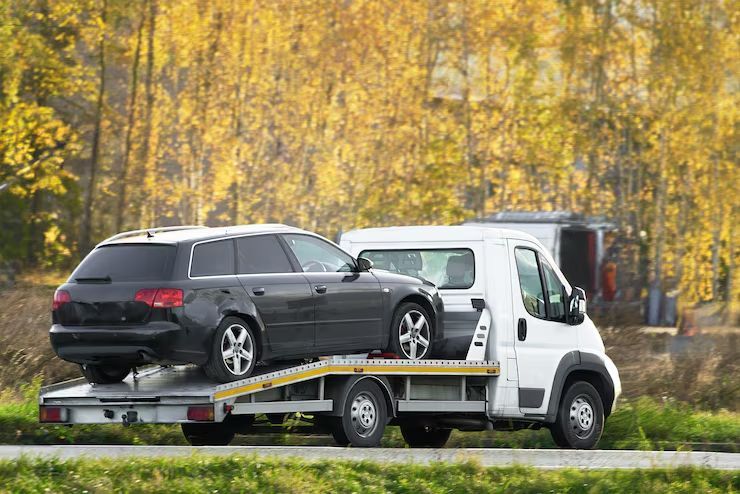
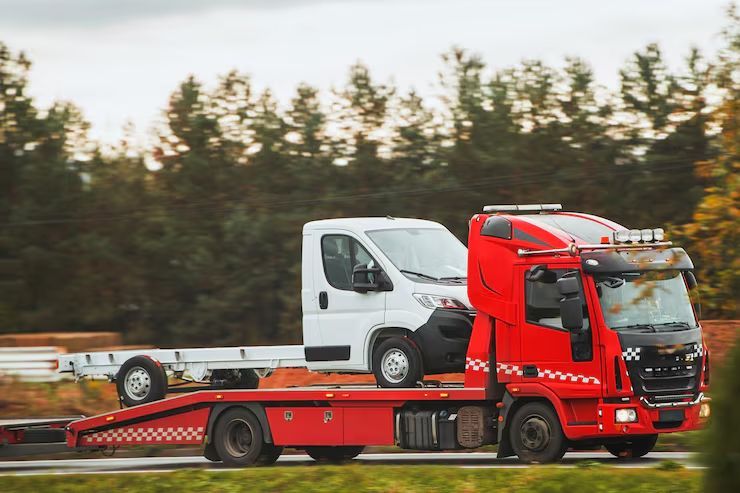
Depending on the situation, roadside assistance may include battery assistance, tire-related help, fuel assistance, vehicle lockout assistance, towing, or winch-out recovery.
When calling, provide your exact location, vehicle information, and a description of the problem. This helps the towing or roadside assistance team understand what equipment may be needed.
What Information Should You Provide?
When requesting roadside assistance, try to provide:
- Your current location
- The nearest road, intersection, or landmark
- Vehicle make and model
- Vehicle color
- Description of the problem
- Whether the vehicle is blocking traffic
- Number of passengers with you
Accurate information can help the response team locate you more efficiently.
Stay Safe While Waiting
Once you've contacted roadside assistance, remain in a safe location while waiting for help.
Avoid standing near moving traffic, and don't attempt to flag down random vehicles. If you are in an unsafe location, communicate that information to the roadside assistance provider.
When You Need Professional Help
Not every roadside problem can be fixed at the scene. If your vehicle cannot safely continue, professional towing may be the best option.
CRS Towing & Recovery provides 24/7 roadside assistance, towing, and winch-out services to help drivers dealing with unexpected vehicle problems.
Need roadside assistance? Contact CRS Towing & Recovery for professional help when you need it.
Recent Posts